Understanding psychological triggers in gambling decisions and behavior
The Nature of Gambling Decisions
Gambling decisions are deeply influenced by a variety of psychological triggers that shape how individuals engage with gambling activities. These triggers include emotions, cognitive biases, and social factors that can lead to impulsive choices. For those seeking excitement, the rise of the online casino platform has changed the way many people experience these activities. Understanding these elements is crucial for both gamblers and those who study gambling behavior, as they can help explain why people choose to gamble despite the risks involved.
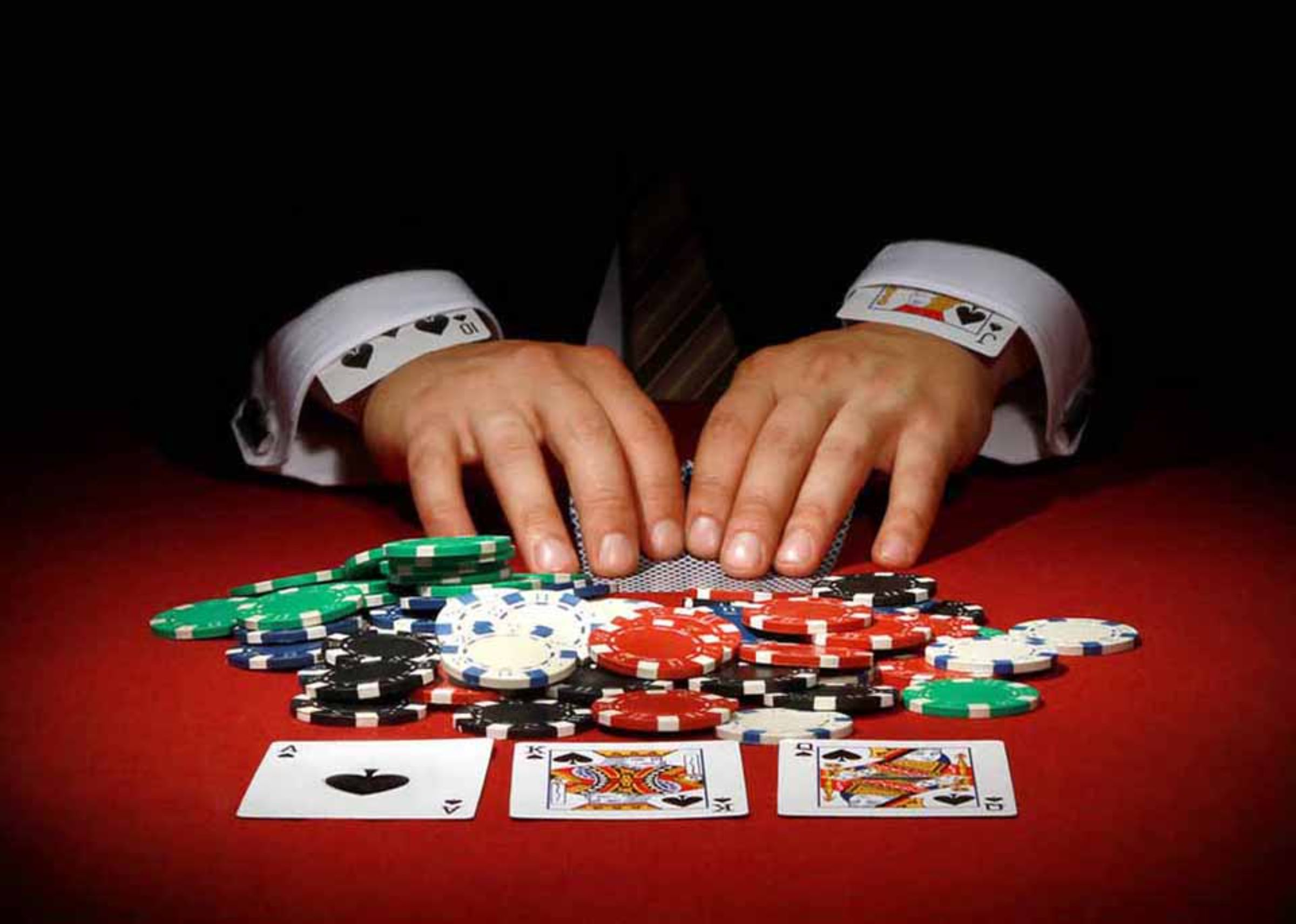
One of the primary psychological triggers in gambling is the thrill of risk. Many individuals are drawn to the excitement that comes with high-stakes gambling, often overlooking the potential for loss. This thrill can create a psychological feedback loop where the anticipation of winning reinforces continued gambling behavior, even when rational thought suggests otherwise.
The Role of Cognitive Biases
Cognitive biases play a significant role in shaping gambling behavior. For instance, the illusion of control leads many gamblers to believe they can influence the outcome of a game, even in purely chance-based situations. This false sense of agency can result in repeated gambling as individuals seek to ‘prove’ their control through future bets.
Another prevalent cognitive bias is the gambler’s fallacy, where individuals mistakenly believe that past outcomes will influence future ones. For example, a player might think that after a series of losses, a win is ‘due.’ This misunderstanding of probability can lead to sustained gambling despite adverse results, driving individuals deeper into financial difficulties.
Emotional Triggers in Gambling
Emotions significantly impact gambling behavior, serving as powerful triggers that can either encourage or discourage participation. Positive emotions, such as excitement and joy, often accompany wins and can lead to increased gambling as individuals seek to replicate those feelings. Conversely, negative emotions like stress and anxiety can also drive gambling, as some people turn to it as a form of escapism.
Moreover, the effects of emotional states can be magnified in different gambling environments, whether online or at land-based casinos. In-person settings often heighten emotional responses due to the social atmosphere, while online platforms may provide a sense of anonymity that can lead to riskier behavior. Understanding these emotional triggers is vital for addressing problematic gambling behaviors.
Social Influences on Gambling Behavior
Social influences can heavily affect gambling decisions, particularly in environments like casinos where group dynamics come into play. The presence of peers can create a sense of belonging and shared excitement that encourages individuals to gamble more than they might alone. This social reinforcement can lead to increased gambling frequency and larger bets, as individuals seek to match the expectations of their peers.
Moreover, social media and online gaming communities can create additional pressure to engage in gambling. The constant exposure to others’ gambling successes can cultivate a desire to join in and potentially win, further driving the behavior. These social aspects highlight the importance of understanding the broader context in which gambling occurs, as it can greatly influence individual decision-making.

Protecting Against Problematic Gambling
As awareness of psychological triggers in gambling decisions grows, it becomes increasingly important for individuals to recognize these factors in their own behavior. Many organizations focus on providing resources and support for individuals struggling with gambling addiction. Education on the psychological aspects of gambling can empower individuals to make more informed choices and seek help when necessary.
Additionally, responsible gambling initiatives emphasize understanding the emotional, cognitive, and social factors that contribute to gambling behavior. By promoting awareness of these triggers, individuals can learn to recognize when their gambling habits may be becoming problematic and take proactive steps toward healthier behaviors.
Deixe um comentário